

Should companies aim to avoid harm, or to build a business that is good for people, including the people in their supply chains? Listen to Dorothée Baumann Pauly and Justine Nolan, co-authors of Transforming Business: Aligning Profits with Human Rights.

In this episode of Frankly Speaking, host Richard Howitt talks to two of the authors of Transforming Business: Aligning Profits with Human Rights (Routledge), launched at this week's UN Forum on Business and Human Rights. The authors are Dorothée Baumann-Pauly, Justine Nolan amnd Andy Symington. The book argues that companies should stop pursuing procedural compliance and transform their business models instead.
Dorothée is director of the Geneva Centre for Business and Human Rights and research director at the NYU Stern Center for Business and Human Rights. Justine is director of the Australian Human Rights Institute and professor at UNSW Sydney. They draw on detailed case studies (Veja, HB Antwerp, Tony’s Open Chain, Trafigura, Dindigful Agreement) from six sectors to show what transformation looks like in practice.
The guests set out the book's five-part “transformation formula”. It covers leadership commitment, real stakeholder engagement, partnership with suppliers, financial incentives and measuring outcomes. They also explain why data and technology need human engagement to work. Finally, they show how the formula “reverse engineers” human rights due diligence, so that it focuses on impact instead of ticking boxes.
Listen if you want to know:
Follow us on LinkedIn and Youtube!


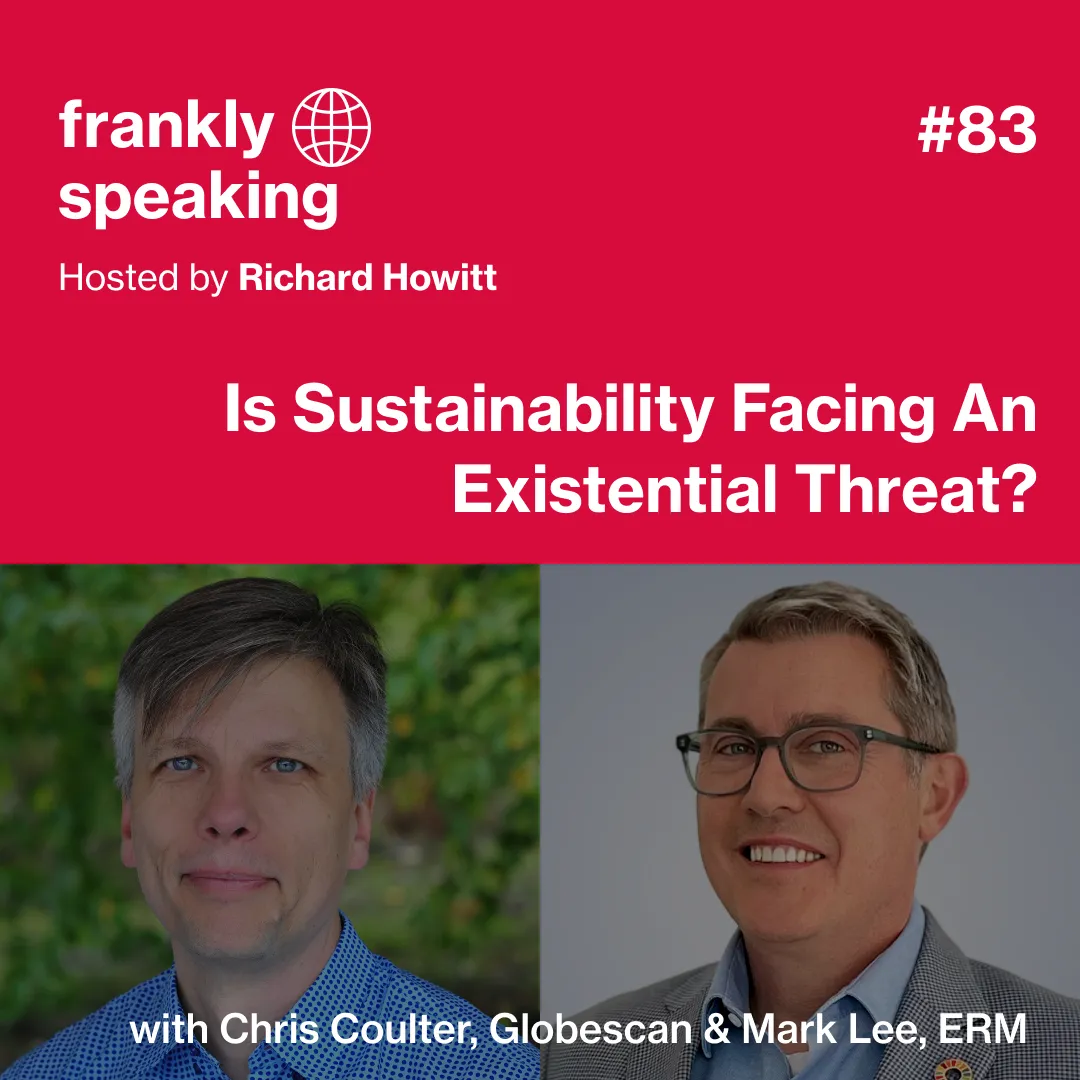

What is the future of sustainable business? Listen to Chris Coulter, CEO of Globescan and Mark Lee, Global Director of Thought Leadership at the SustainAbility Institute by ERM

What impact is effective supply chain due diligence already having on the lives of workers across the world? Listen to Kate Lewis, Head of Membership at the Ethical Trading Initiative (ETI) and Francesca Mangano, Head of CSR and Sustainability at TFG London

How is the green transition unfolding in Central and Eastern Europe? Listen to Tsvetelina Kuzmanova, Sustainable Finance Policy Lead, Cambridge Institute for Sustainability Leadership


