

Should companies aim to avoid harm, or to build a business that is good for people, including the people in their supply chains? Listen to Dorothée Baumann Pauly and Justine Nolan, co-authors of Transforming Business: Aligning Profits with Human Rights.

In this episode of Frankly Speaking, host Richard Howitt talks to two of the authors of Transforming Business: Aligning Profits with Human Rights (Routledge), launched at this week's UN Forum on Business and Human Rights. The authors are Dorothée Baumann-Pauly, Justine Nolan amnd Andy Symington. The book argues that companies should stop pursuing procedural compliance and transform their business models instead.
Dorothée is director of the Geneva Centre for Business and Human Rights and research director at the NYU Stern Center for Business and Human Rights. Justine is director of the Australian Human Rights Institute and professor at UNSW Sydney. They draw on detailed case studies (Veja, HB Antwerp, Tony’s Open Chain, Trafigura, Dindigful Agreement) from six sectors to show what transformation looks like in practice.
The guests set out the book's five-part “transformation formula”. It covers leadership commitment, real stakeholder engagement, partnership with suppliers, financial incentives and measuring outcomes. They also explain why data and technology need human engagement to work. Finally, they show how the formula “reverse engineers” human rights due diligence, so that it focuses on impact instead of ticking boxes.
Listen if you want to know:
Follow us on LinkedIn and Youtube!


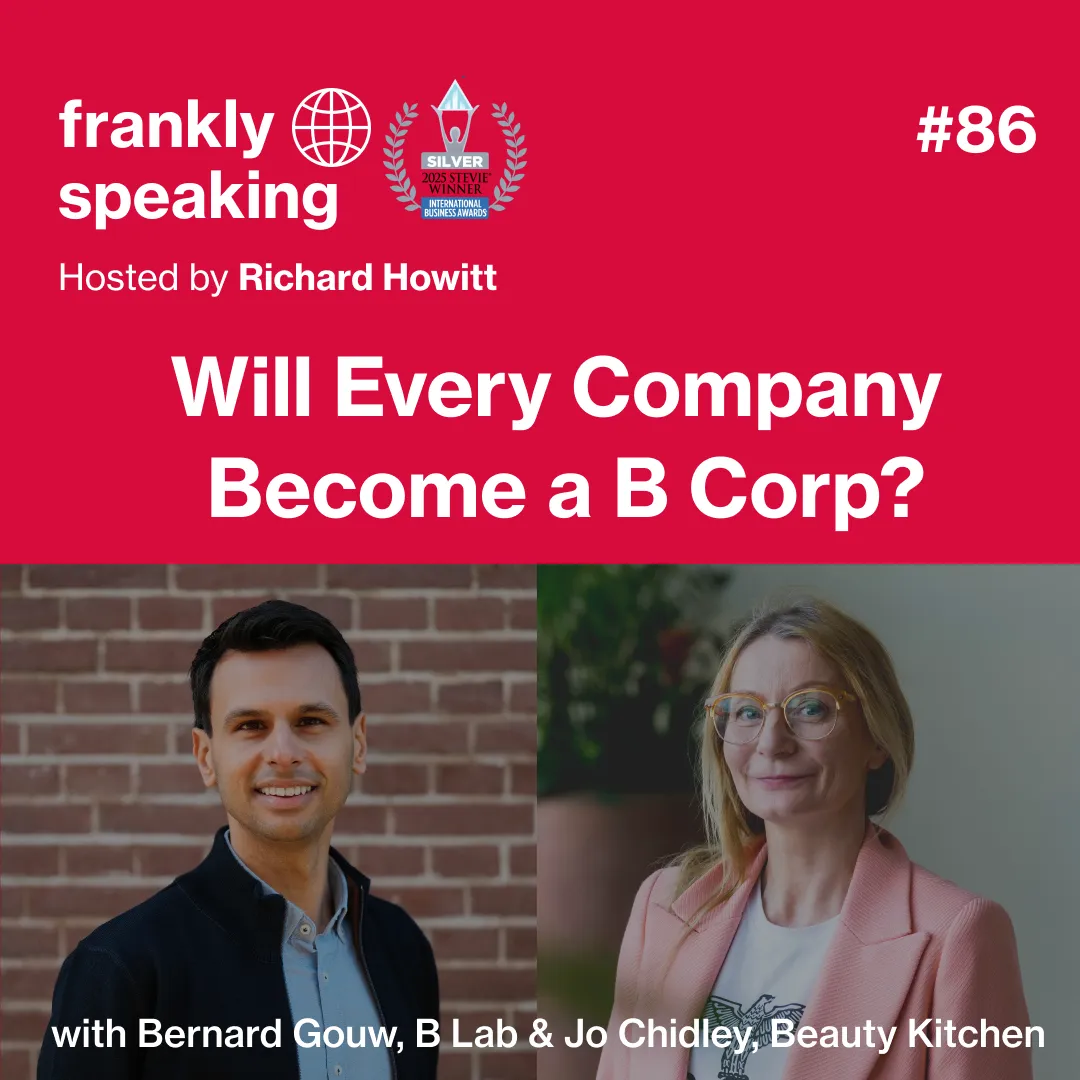

Is this the start of a B Corps revolution? Listen to Bernard Gouw, Senior Social Standards Manager at B Lab Global, and founder of the natural skincare brand Beauty Kitchen, Jo Chidley
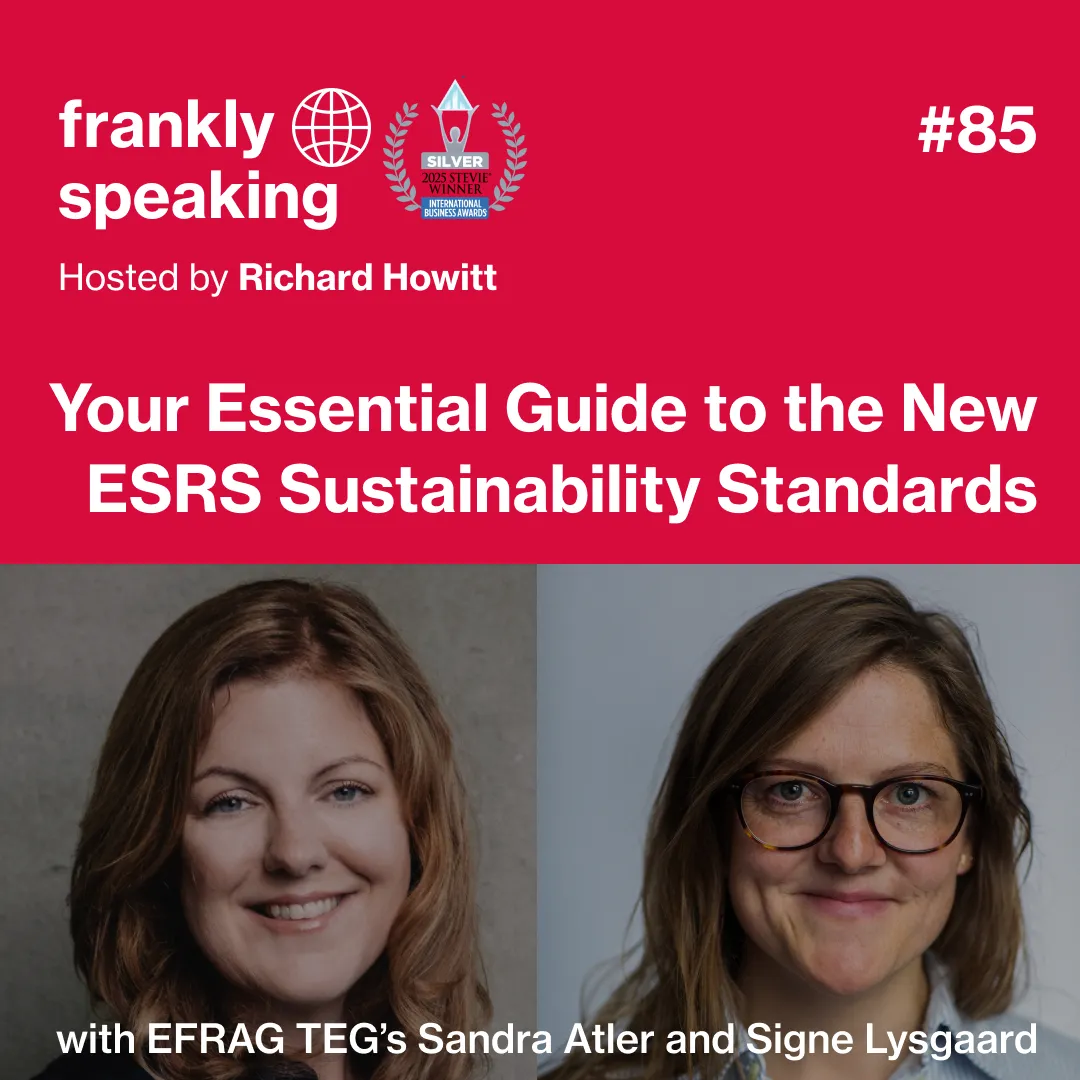
What do the new revisions to the European Sustainability Reporting Standards actually mean for businesses, and how will they affect the EU's green transition? Listen to EFRAG TEG members Sandra Atler and Signe Lysgaard
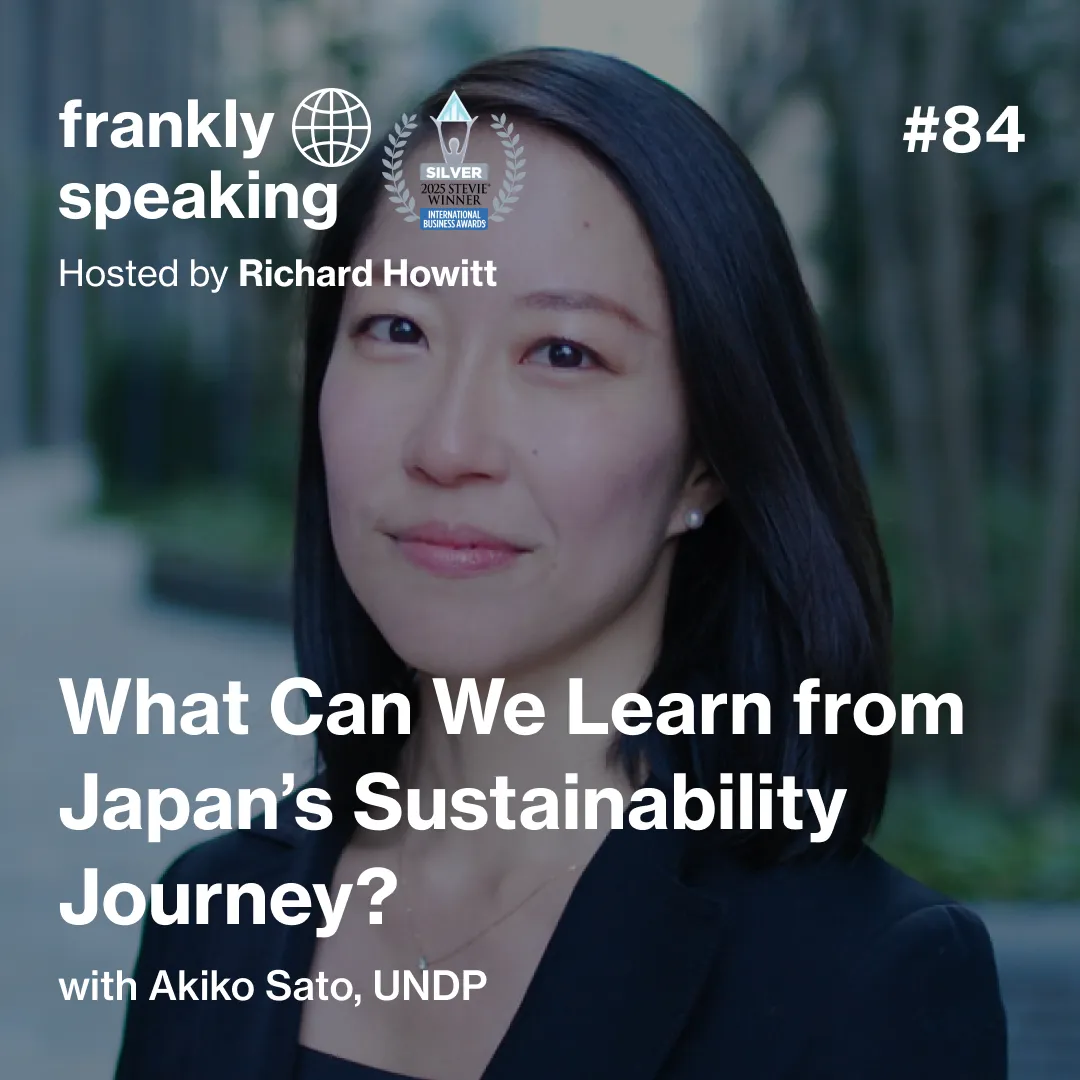
What can traditional Japanese business practice teach us about corporate sustainability? Listen to Akiko Sato, Business and Human Rights Project Officer at the United Nations Development Programme and Special Adviser at the business and human rights NGO Pillar Two


