

Listen to Filip Gregor, member of the European Sustainability Reporting Standards Board of EFRAG and Head of Responsible Companies Section at Frank Bold.

After a short summer break, the Frankly Speaking podcast is excited to be back. It's been a summer in which the final European Sustainability Reporting Standards have been finally published as a delegated act by the European Commission.
In this episode, we welcome Filip Gregor, member of EFRAG’s Sustainability Reporting Board, researcher, advisor and advocate for corporate sustainability reporting and head of Frank Bold’s Responsible Companies section. We take a closer look at what’s changed after last July’s public consultation, what businesses need to know and what to do next.
You’ll hear more about:
“Right now, it's really important to start calculating carbon footprint for all scopes, not just Scope 1 and Scope 2. Don't waste time because this really takes a couple of months to implement. Then, the next important step for companies will be to understand their sustainability context by doing a preliminary materiality assessment, meaning a pre-selection of topics. The actual materiality assessment can be done at a later stage, especially for small companies.”


.webp)

What does the European Environment Agency have to say about Europe's progress on climate change so far? Listen to its Executive Director, Leena Ylä-Mononen
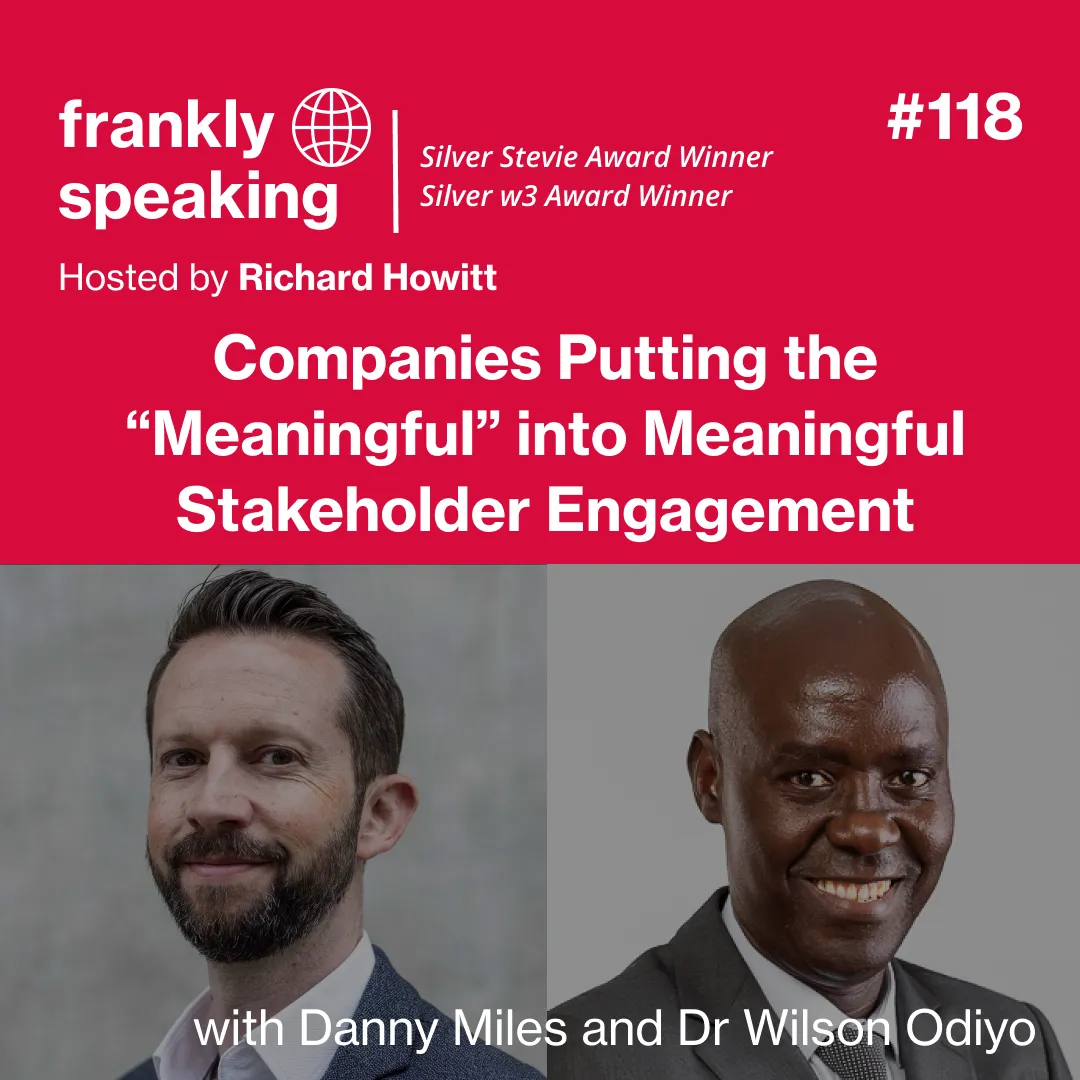
How can companies ensure meaningful engagement with their stakeholders? Listen to Danny Miles, Head of Collective Action at the Ethical Trading Initiative, and Dr Wilson Odiyo, Corporate Affairs Director for Eastern Produce Regional Services (EPRS)
.webp)
What can businesses do to eliminate modern slavery? Listen to Johannes Dumay, Professor in Accounting at Macquarie University


