

Why is the EU’s Corporate Sustainability Due Diligence Directive coming up against intense lobbying by US politicians and businesses? Listen to Abrial Gilbert-d'Halluin, Policy Advisor for MEP Raden Kanev and Professor Michael Mehling, Deputy Director of the Centre for Energy and Environmental Policy Research at Massachusetts Institute of Technology (MIT)
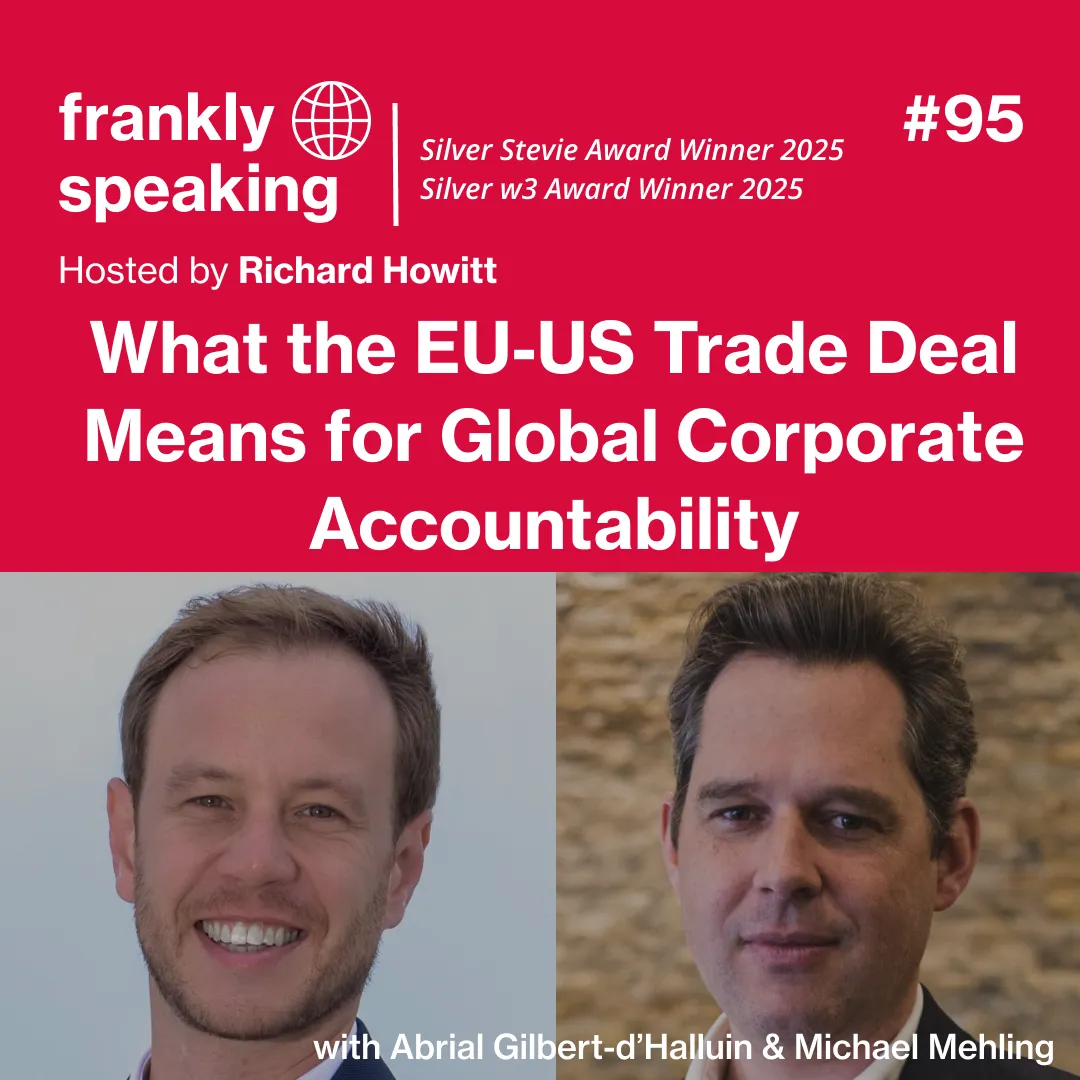
Against the backdrop of the final Omnibus agreement emerging from trilogues, what will continued US political and corporate pressure mean for the future of EU environmental and human rights due diligence legislation?
In this episode of the Frankly Speaking podcast, Richard Howitt was joined by Abrial Gilbert-d'Halluin, Policy Advisor for MEP Raden Kanev and original parliamentary sherpa for the Corporate Sustainability Reporting Directive (CSRD), and Professor Michael Mehling, Deputy Director of the Centre for Energy and Environmental Policy Research at Massachusetts Institute of Technology (MIT).
Together they discussed the principle of extraterritoriality in the EU’s CSDDD legislation, and why it’s seen such unprecedented pushback from both politicians and businesses in the United States lobbying against the directive. You’ll also hear more about:


.webp)

What role should banks play in society? Listen to Anna Koolstra, Advocacy Manager, Impact and Economics at Triodos Bank
.webp)
What does the European Environment Agency have to say about Europe's progress on climate change so far? Listen to its Executive Director, Leena Ylä-Mononen
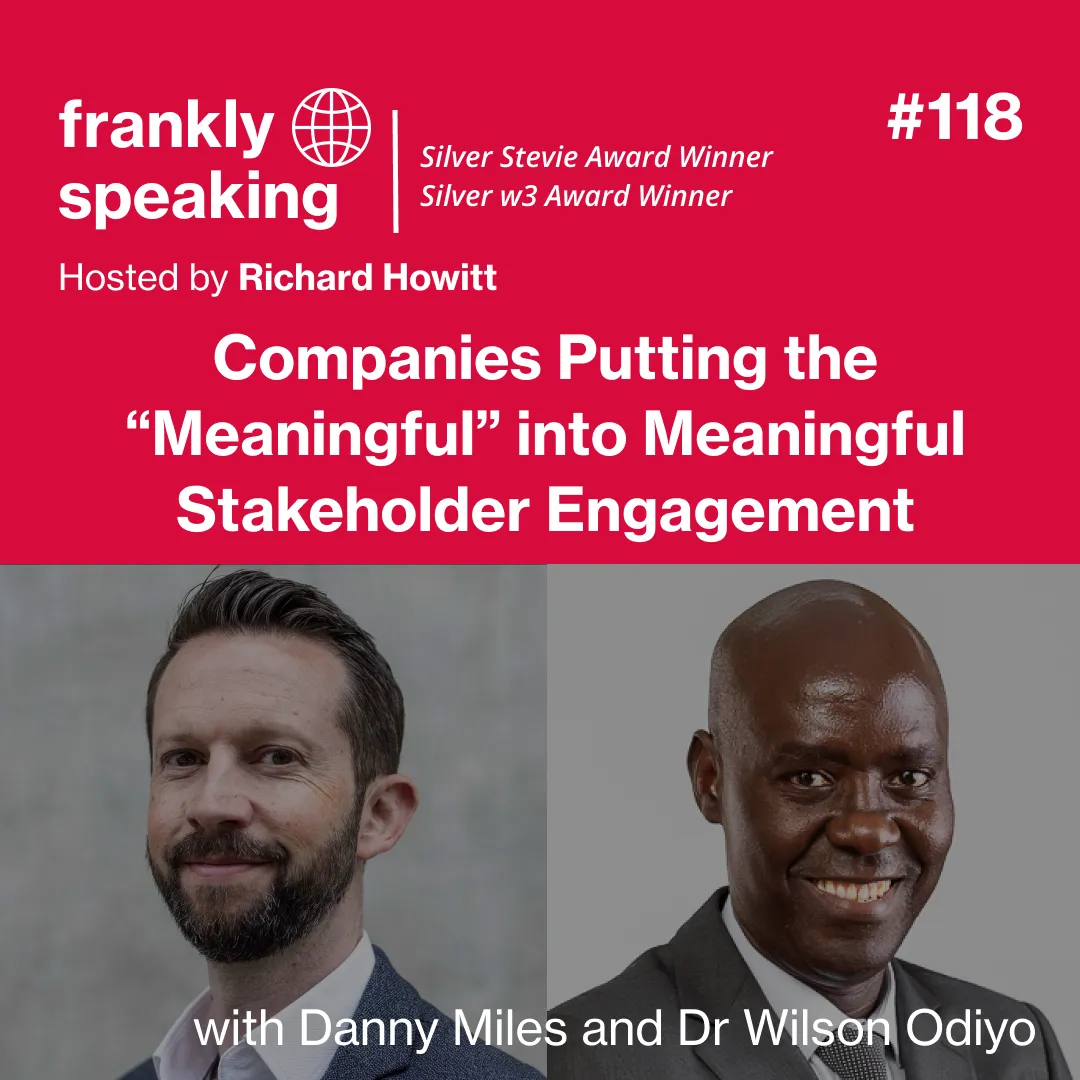
How can companies ensure meaningful engagement with their stakeholders? Listen to Danny Miles, Head of Collective Action at the Ethical Trading Initiative, and Dr Wilson Odiyo, Corporate Affairs Director for Eastern Produce Regional Services (EPRS)


