

Listen to Filip Gregor, Head of Frank Bold’s Responsible Companies section and member of EFRAG’s Sustainability Reporting Board

In this Frankly Speaking episode, we explore how companies should undertake a materiality assessment when they tackle their sustainability report. The concept of materiality is derived from financial accounting in business and human rights, and very simply asks the question: does this information matter?
To guide us, we welcome back Filip Gregor, head of Frank Bold’s Responsible Companies section and member of EFRAG’s Sustainability Reporting Board, which draws up and recommends the European Sustainability Reporting Standards (ESRS).
In this episode, you’ll hear more about:
“The most fundamental change is that the EU Sustainability Reporting Standards require companies to apply specific criteria for assessing impacts and specific criteria for assessing financial effects. Those criteria are not opinions of their stakeholders. So when it comes to the impact, those criteria are the same as the criteria for the salient human rights issues, being the severity and likelihood of actual, respectively, potential impacts for the financial relevance, sustainability related risks and opportunities. Those are the criteria of the magnitude of financial effects on the company and the likelihood. That’s the most important one there.“


.webp)

What does the European Environment Agency have to say about Europe's progress on climate change so far? Listen to its Executive Director, Leena Ylä-Mononen
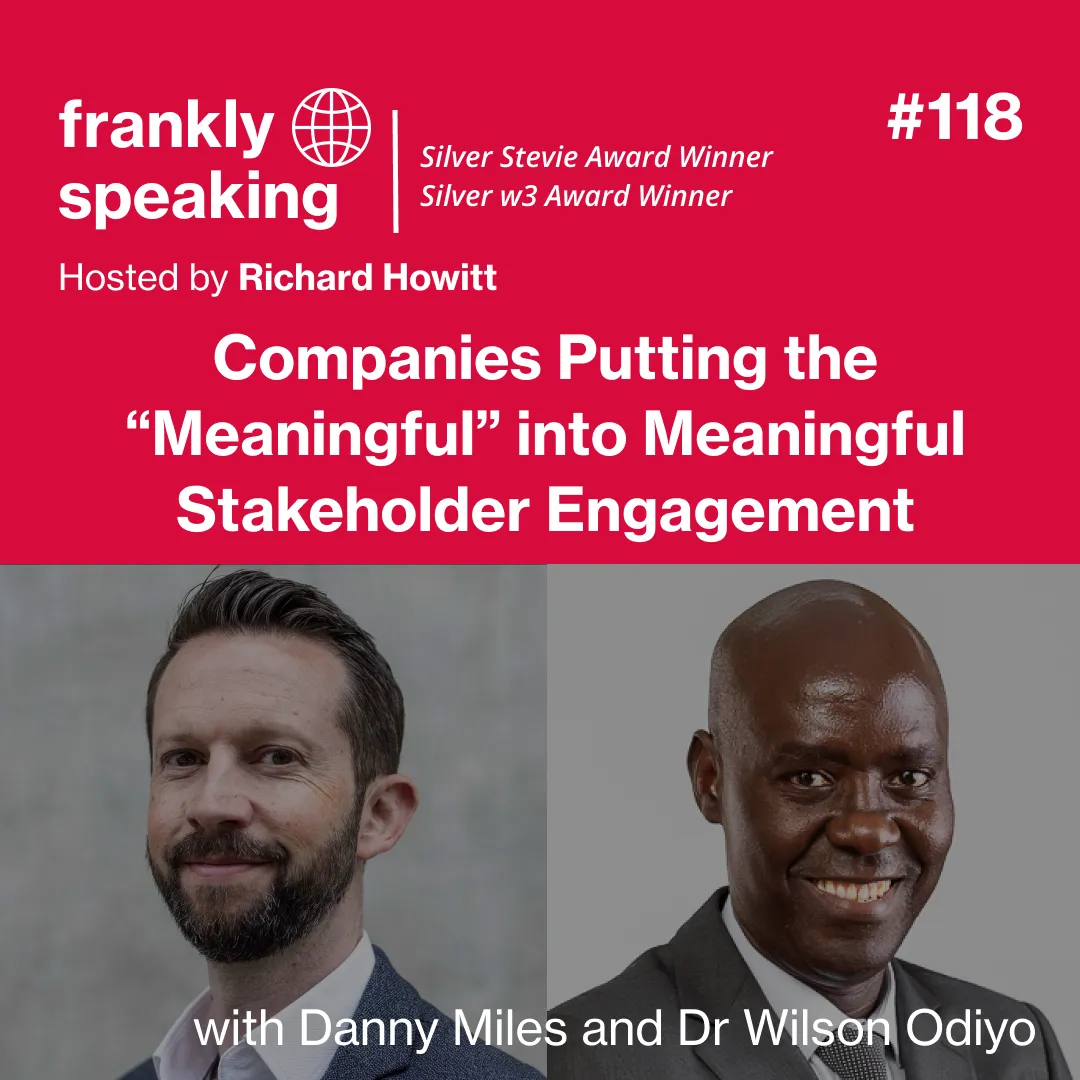
How can companies ensure meaningful engagement with their stakeholders? Listen to Danny Miles, Head of Collective Action at the Ethical Trading Initiative, and Dr Wilson Odiyo, Corporate Affairs Director for Eastern Produce Regional Services (EPRS)
.webp)
What can businesses do to eliminate modern slavery? Listen to Johannes Dumay, Professor in Accounting at Macquarie University


